
Does SmugMug Remove Photo Metadata?
SmugMug preserves full EXIF data on uploads and downloads. Learn what metadata SmugMug keeps, how to control visibility, and why you should strip data before uploading.
Read more →Practical writing on what gets stripped, why it matters, and how creators stay out of the AI-content downrank.
SmugMug preserves full EXIF data on uploads and downloads. Learn what metadata SmugMug keeps, how to control visibility, and why you should strip data before uploading.
Read more →
Wix re-encodes photos for delivery and strips most EXIF from what visitors see — but your originals keep their metadata. Here's what survives, and where.
Read more →
Squarespace strips EXIF and color profiles from uploaded photos, but preserves licensing fields and can import your GPS data. We break down what survives.
Read more →
Adobe Portfolio's docs cover layouts, Behance sync, and custom domains — but never EXIF or GPS. Here's what happens to metadata on your portfolio site.
Read more →
Behance's own help docs cover resizing and CMYK conversion but never mention EXIF or GPS — here's what actually happens to metadata on upload.
Read more →
VSCO doesn't strip EXIF metadata consistently. Location sharing is opt-in per post, but your original file's GPS and camera data survive untouched.
Read more →
No — 500px keeps EXIF data by default and builds its Gear Pages around it. Here's what stays in your files, what Marketplace flags, and what to strip first.
Read more →
No — Flickr keeps EXIF and GPS data by default and even displays it publicly, unlike Instagram or Facebook. Here's what a privacy toggle hides and doesn't.
Read more →
Tumblr doesn't strip EXIF from uploaded photos — camera data and GPS coordinates often survive, and reblogs keep copies forever regardless of deletion.
Read more →
Mastodon re-encodes images you upload locally and strips EXIF as a side effect — but federation trusts that strip instead of repeating it, and video is less reliable.
Read more →
Bluesky's PDS scans every uploaded image blob for location EXIF at upload time and strips it by default. Here's what that covers and what it doesn't.
Read more →
Threads runs on Instagram's media pipeline, but Meta has never published a Threads-specific EXIF policy. Here's what actually happens to your photo metadata.
Read more →
Messenger strips EXIF before your photo reaches the recipient — but Meta reads the metadata first. Here's what survives and how to send clean.
Read more →
Zoom has no documented EXIF-stripping feature. Photos shared in Zoom chat arrive as the original file — GPS, camera model and all. Here's what to do.
Read more →
Microsoft Teams now auto-strips EXIF — GPS and camera model — from images shared in chats and channels, but videos, OneDrive links, and your original keep it.
Read more →
Slack strips GPS from JPEGs you upload — a change it made in 2020 — but device model, PNG and XMP data, videos, and files sent as attachments can survive.
Read more →
Reddit re-encodes images you upload to i.redd.it and strips most EXIF — but link posts, some file types, and past bugs can still leak GPS. What survives.
Read more →
iMessage doesn't reliably strip EXIF from photos — sent images often keep GPS, timestamps and camera model. Here's what survives, and how to clean a file first.
Read more →
Signal strips EXIF from photos by default — GPS, camera model and timestamps all gone. But 'Send as File' keeps every byte, and metadata isn't the whole risk.
Read more →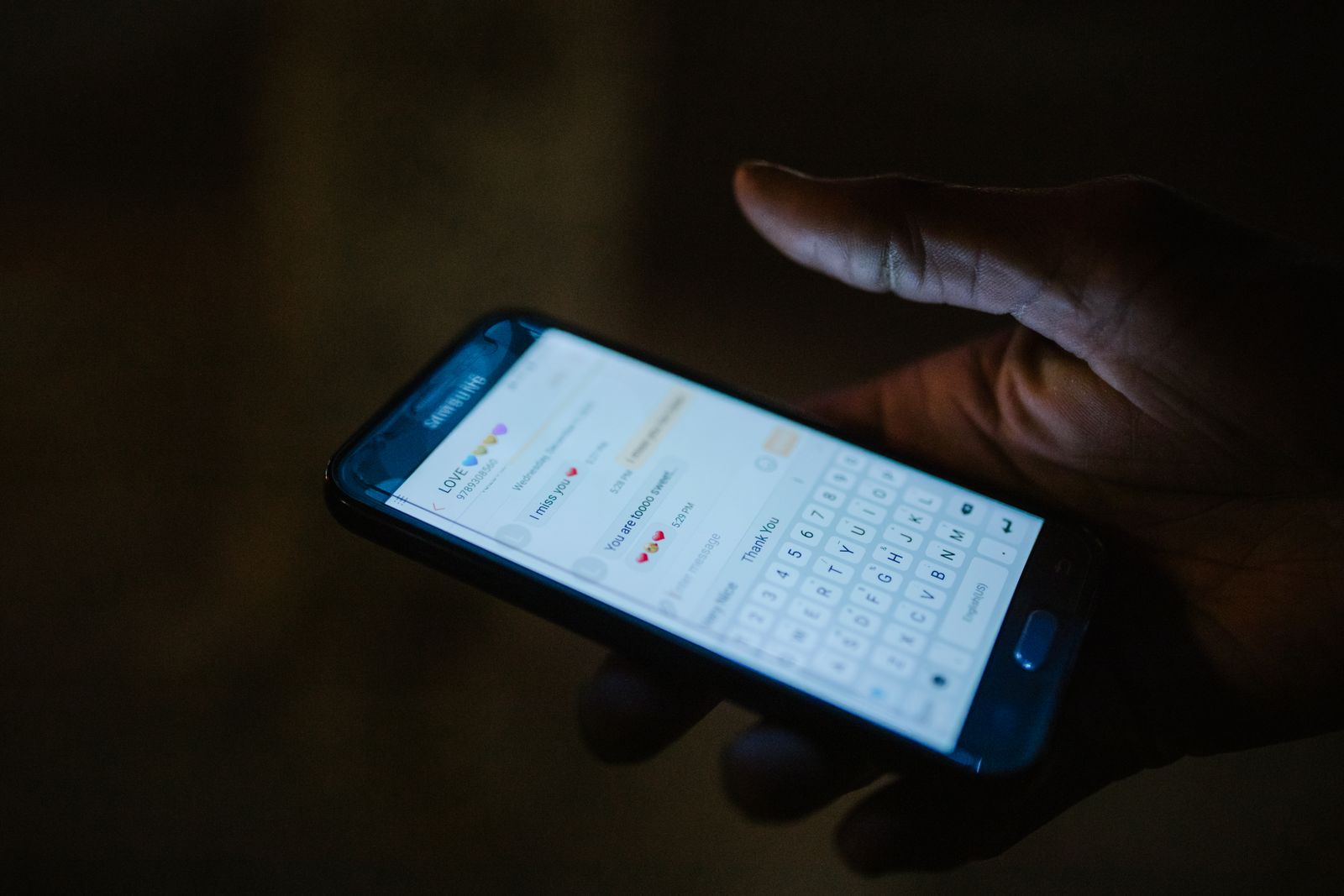
Telegram strips EXIF from photos sent the normal, compressed way — but 'Send as File' preserves every byte, GPS included. Here's the full split.
Read more →
Discord strips EXIF geolocation from JPEGs you upload in chat — but not from PNGs, videos, or files sent as attachments. Here's exactly what survives.
Read more →
Google Photos keeps the EXIF in your originals — download one and the GPS, camera model and timestamp come right back. Here's what it strips and what it keeps.
Read more →
Compressing a photo shrinks its pixel data, but EXIF, GPS and XMP metadata often survive untouched. Here's why a smaller file size doesn't mean clean.
Read more →
Metadata scrubbing strips the hidden EXIF, IPTC, XMP and container tags from a file before you share it. Here's exactly what gets removed and how.
Read more →
Forensic examiners read GPS, timestamps and device serial numbers from a photo's EXIF — and can match sensor noise to one camera. Here's how it works.
Read more →
The Content Authenticity Initiative is Adobe's coalition for proving where digital media comes from. Here's how CAI and Content Credentials work, and the catch.
Read more →
HEIC stores more metadata than JPEG — depth maps, HDR gain maps, Live Photo data and the same EXIF GPS. Here's what each format keeps and why you strip it.
Read more →
AI image generators tag their output with hidden provenance data. Here is what Midjourney, DALL-E, and Firefly embed, and how to strip it before sharing.
Read more →
A PDF hides metadata in two places—the Info dictionary and an XMP stream—exposing your name, software, and edit history. Here is what is inside.
Read more →
GPS coordinates ride inside your photos as hidden EXIF tags that can pinpoint where you stood. Here is how geotagging works and how to remove it.
Read more →
A sidecar file is a separate .xmp file that rides alongside your RAW photo, holding edits and metadata the original never shows. Here is why it matters.
Read more →
EXIF, IPTC, and XMP are three metadata standards that ride inside your photos. Here is what each one stores, where it lives, and how they overlap.
Read more →
OnlyFans re-encodes uploads and strips EXIF from public files, but your originals leave your device with GPS intact. Here's how creators close that gap.
Read more →
EXIF data is the hidden record your camera writes into every photo. Here is what it stores, why it matters for privacy, and how to read or remove it.
Read more →
Etsy re-encodes listing photos, but the original GPS-tagged file still reaches its servers. Here's how sellers keep their home address out of product images.
Read more →
Riffusion exports are ordinary MP3 and WAV files, but the marks that flag an AI track live in provenance and the signal itself, not the tags you can see.
Read more →
X (Twitter) strips most EXIF metadata from uploaded photos, but not all of it. Here's exactly what gets removed, what survives, and how to protect yourself.
Read more →
Udio exports are ordinary MP3, WAV, and FLAC files — but the marks that identify an AI track live in provenance and the signal, not the tags you can see.
Read more →
A CapCut export is an MP4 carrying creation timestamps and encoder tags in its moov atom, and AI tools add a C2PA box. Here is how to remove CapCut metadata.
Read more →
LinkedIn strips EXIF from the photos other people see, but ingests the original first. Here's what actually happens to GPS data on your profile picture.
Read more →
Does Pinterest strip EXIF and GPS data from the photos you pin? We break down what Pinterest keeps, what it discards, and how to clean images first.
Read more →
Does Snapchat keep the EXIF metadata on your snaps? The photos vanish, but the data around them does not. Here's what Snapchat strips, keeps, and quietly logs.
Read more →
FLAC stores tags in Vorbis comment and picture metadata blocks before the audio. Here's how to clean FLAC metadata online in under a minute.
Read more →
YouTube re-encodes every upload, rebuilding the container and dropping most embedded metadata. Here's what survives, what's discarded, and what to strip first.
Read more →
Does Facebook strip EXIF metadata from your photos? Mostly—but the public file is only half the story. Here's what Facebook removes, keeps, and still knows.
Read more →
Does Instagram strip EXIF data from your photos? Yes—but the public file is only half the story. Here's what Instagram removes, keeps, and still knows.
Read more →
Delivering RAW files to clients? Learn how CR3, NEF, and ARW files carry GPS, serial numbers, and personal data—and how to scrub metadata before handoff.
Read more →
Everything iOS embeds in your MP4 files — GPS tracks, device info, codec details — and how to strip iPhone video metadata before you share.
Read more →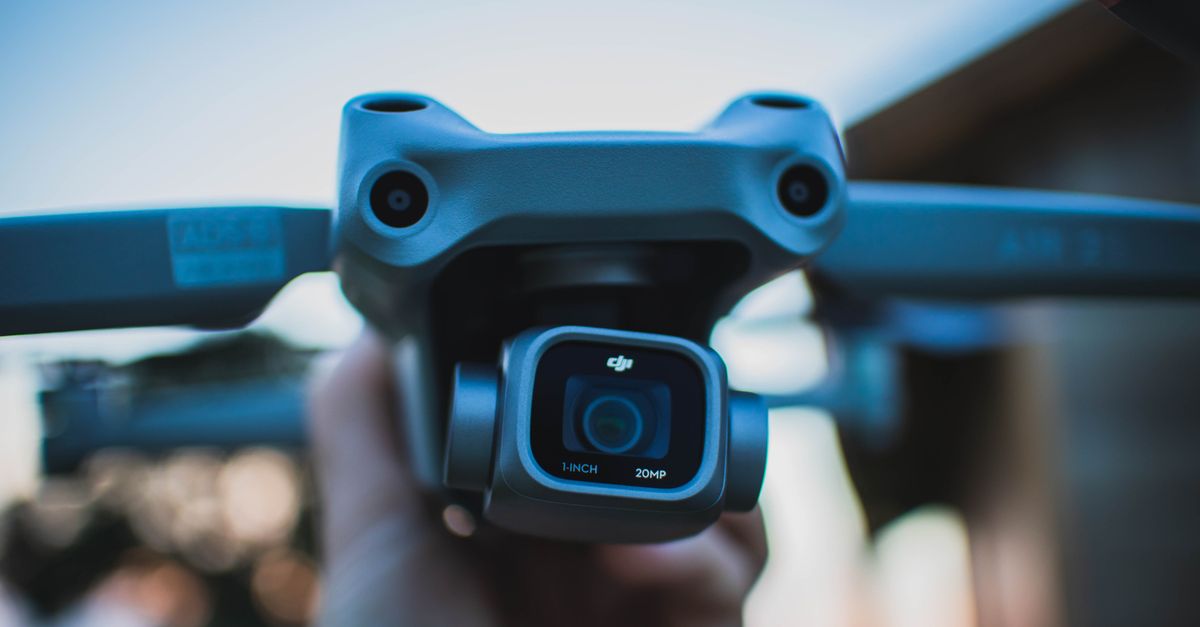
DJI and other drones embed GPS coordinates, altitude, gimbal angle, and flight telemetry in every photo. Here's what's in the file and how to strip it before sharing.
Read more →
Sora signs every export with a C2PA credential; Pika leaves ordinary container tags. Here is what Pika and Sora AI video metadata holds and how to clear it.
Read more →
Real estate photos embed GPS coordinates, camera serial numbers, and lens data. Learn what to strip before delivery, what to keep for copyright, and how to protect every client.
Read more →
A HeyGen avatar export is an MP4 carrying creation timestamps and encoder tags in its moov atom. Here is what HeyGen video metadata holds and how to strip it.
Read more →
C2PA vs EXIF: EXIF records how a photo was captured; C2PA is a signed manifest recording who edited it and whether AI was used. Here is the difference.
Read more →
Adobe Content Credentials attach a signed C2PA manifest to your exports, plus a durable cloud copy. Here's what they record and how to remove them.
Read more →
Instagram re-encodes uploads and strips EXIF from public files — but Meta keeps your original and reads C2PA to label AI. Remove metadata before you upload.
Read more →
WebP hides metadata in VP8X, EXIF, XMP, ICCP, and C2PA chunks inside a RIFF container. Here's what's inside and how to remove WebP metadata online.
Read more →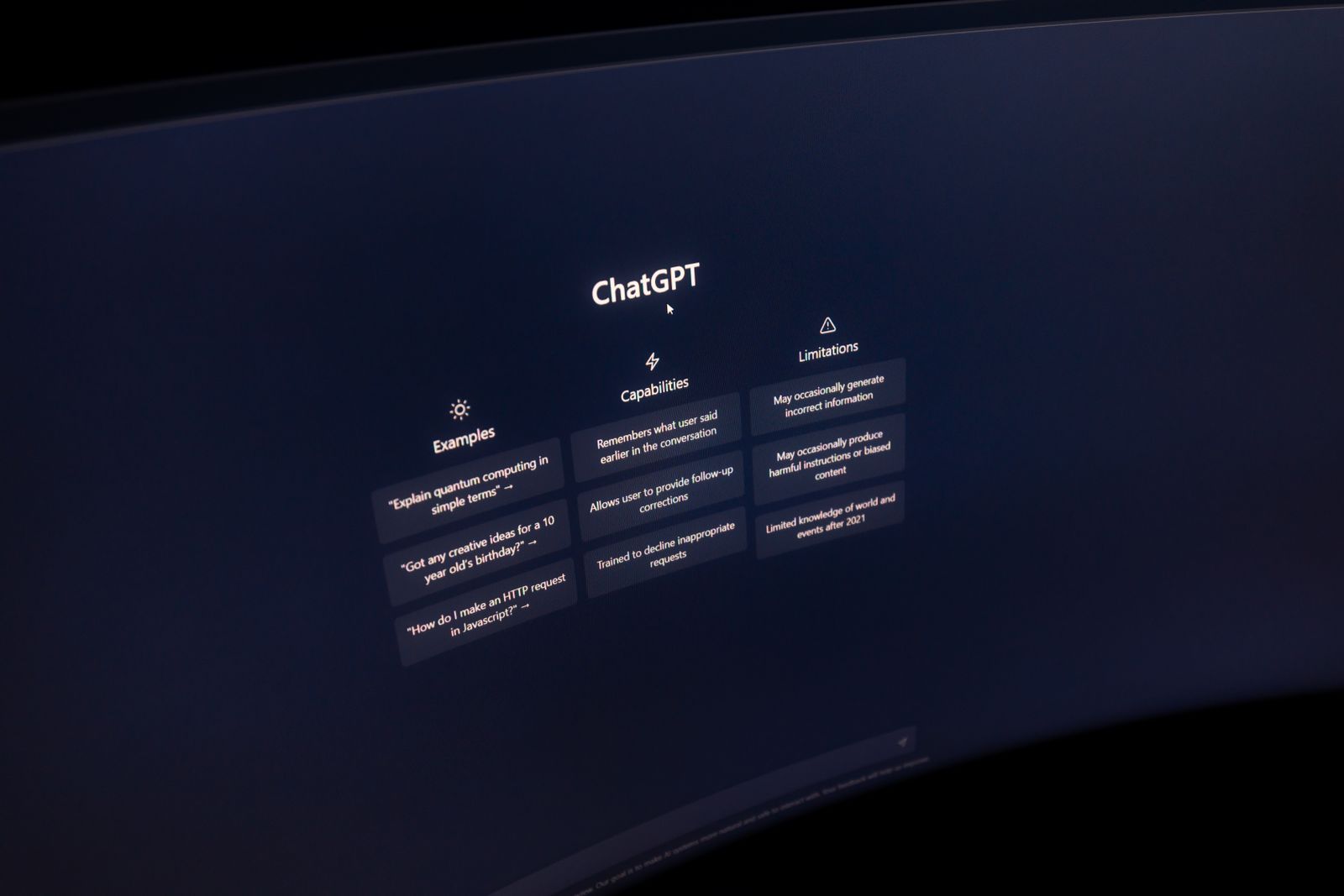
ChatGPT images carry a C2PA manifest and a SynthID pixel watermark. Here's what's in the file, where it lives, and how to remove ChatGPT image metadata.
Read more →
WAV files carry LIST INFO tags, BWF bext, iXML, _PMX/XMP, ID3, and sometimes C2PA. Here's what's inside and how to remove WAV metadata online.
Read more →
TikTok reads C2PA Content Credentials on every image and video upload and applies an AI-generated label automatically. Here is exactly how the read works.
Read more →
A step-by-step walkthrough for stripping the timestamps, encoder tags, and XMP packets out of a Runway MP4 or ProRes export, with verification commands.
Read more →
A layer-by-layer breakdown of what an ElevenLabs export embeds: thin ID3 and RIFF tags, a C2PA provenance manifest, and a signal watermark a strip can't reach.
Read more →
MP3 files carry ID3 tags — title, artist, album art, even an encoder fingerprint. Here's what's inside and how to remove MP3 metadata online in seconds.
Read more →
Photoshop's Generative Fill attaches C2PA Content Credentials — a signed JUMBF manifest — to your exports. Here's what it records and how to remove it.
Read more →
Runway exports carry container metadata — creation timestamps, encoder strings, software tags inside the MP4 or MOV. Here's what's there and how to clean it.
Read more →
ElevenLabs voice clone exports are ordinary MP3 and WAV files — but they carry an inaudible watermark and C2PA provenance most metadata tools never touch.
Read more →
Every photo you share carries hidden EXIF tags — GPS, device serial, capture time, software ID. The real privacy risks and how strangers read them.
Read more →
Every modern phone photo carries GPS coordinates of where it was taken. Here's what the GPS block contains, who reads it, and how to strip it in your browser.
Read more →
C2PA is a signed metadata standard from Adobe, Microsoft, and OpenAI. Every AI tool writes it; every platform reads it. Here's what it does and why.
Read more →
Most online video metadata removers upload your file to their server first. Here's how to strip MP4, MOV, and WebM metadata in-browser, locally, no upload.
Read more →
TikTok, Instagram, and YouTube each read your file's C2PA manifest in milliseconds at upload. Here's what each platform reads and what it does with it.
Read more →
Stripping metadata from a Suno track does not remove the audio watermark. They live in different parts of the file and need different tools to remove.
Read more →
If you're making AI-assisted music and watching your reach quietly die — this is what's happening. Two signals platforms read at upload, what you can do about each, and what you can't.
Read more →
Every AI image generator embeds different metadata in your downloads. Midjourney writes your prompt into EXIF. DALL-E ships C2PA. Stable Diffusion buries the model name in PNG text chunks. Here's the field-by-field breakdown.
Read more →
C2PA started as a photography standard. In 2026 every major AI audio tool — Suno, Udio, ElevenLabs, Riffusion — embeds C2PA assertions inside MP3 and M4A exports. Here's how it gets there, what it discloses, and how to strip it.
Read more →
Suno tracks ship with a C2PA manifest, ID3 tags, and an iTunes-style udta box that all name Suno as the AI source. Strip them in your browser before upload — the audio bytes stay identical.
Read more →
Every export from Midjourney, Suno, Runway, ElevenLabs, ChatGPT, and Photoshop AI carries a metadata block describing how the file was made. Here's exactly what each tool embeds, where it lives in the file, and which platforms read it.
Read more →
Spotify reads C2PA tags in your audio file at upload — and combines that with your distributor's DDEX flag to decide whether to label your track AI-generated. Here's exactly what gets read, what stripping the file closes, and what it doesn't.
Read more →
How law enforcement uses EXIF data and GPS coordinates from photos to track individuals — and how to protect yourself before sharing.
Read more →
GPS coordinates ride along with your photos by default. Here's exactly which apps strip location data, which silently pass it through, and how to remove it before you send.
Read more →
WhatsApp removes GPS data from photos sent the normal way — but the document-sharing option silently delivers your full EXIF profile. Here's exactly what gets stripped, what survives, and how to take back control.
Read more →
Every iPhone photo carries GPS, altitude, camera serial, lens model, three timestamps, and Apple-specific XMP fields. Here's the complete breakdown — and the ten-second fix.
Read more →
Screenshots feel neutral, but they carry timestamps, color profile data, and visible details that can expose more than you intended. Here's what's actually in the file — and what to check before you share.
Read more →
C2PA tags your files with AI usage, edit history, and identity data — cryptographically signed and increasingly hardware-embedded. Standard EXIF removal tools don't touch them. Here's what they are and how to strip them cleanly.
Read more →
When you deliver a file, you're delivering more than a photograph. GPS shooting locations, lens serials, and embedded C2PA AI history all travel with it. Here's what to keep, what to strip, and the fastest pre-delivery workflow.
Read more →
TikTok reads C2PA and software-origin metadata in your video uploads and applies AI labels automatically — even when you didn't toggle disclosure. Here's the actual mechanism, and how to take back the labeling decision.
Read more →
Every photo from your phone records your exact GPS coordinates, your camera's serial number, and the moment you pressed the shutter. Here's what's actually in there, why it leaks, and the fastest way to clean it before you post.
Read more →